

The Game Between the Poles
Major platforms paint a black-and-white picture — LeBron vs. MJ, Yankees or Dodgers, Cowboys or nothing. BSI exists to leave that binary behind. The real game lives in between: college baseball on a Tuesday night, a mid-major pitcher nobody scouted, a conference race no broadcast window will touch.
Before the data, the diamond
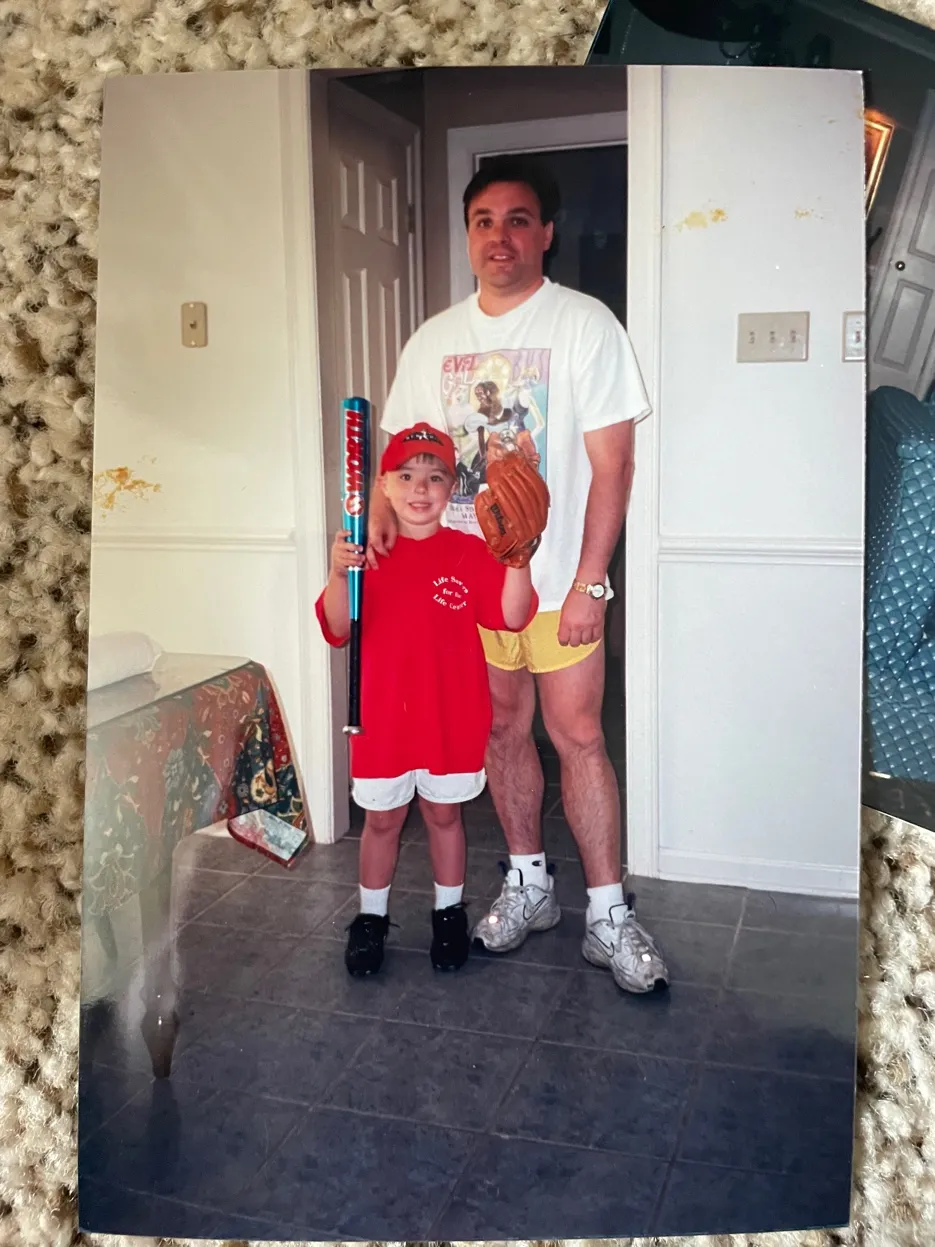
Austin grew up immersed in sports. Before he understood exit velocity or launch angle, he understood the feeling of standing in a batter’s box — the dirt under your cleats, the way the pitcher looks bigger from sixty feet away, the sound a bat makes when you catch one clean.
The analytical instinct came later. The love for the game came first.
Born into the game
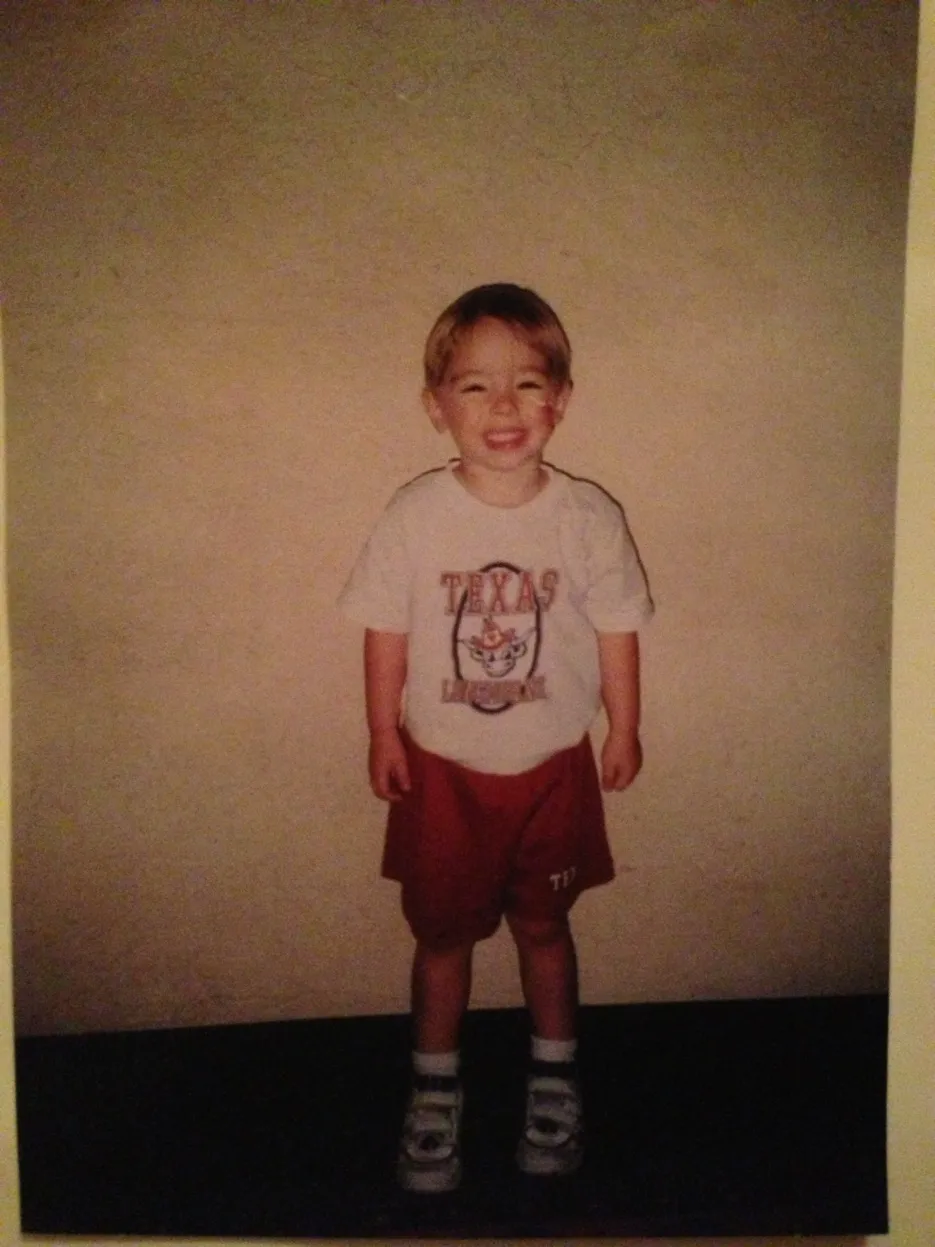
Born in Memphis with Texas soil under the hospital bed — literally. His family carried dirt from Stephen F. Austin’s gravesite to Baptist Memorial East, a tradition stretching back 127 years. Heritage chosen rather than accidental.
The obsession with sports predates the analytics by decades. Texas gave the refusal to accept boundaries as permanent. Memphis gave constraint-based creativity — what happens when resources are limited and you build inside them anyway.
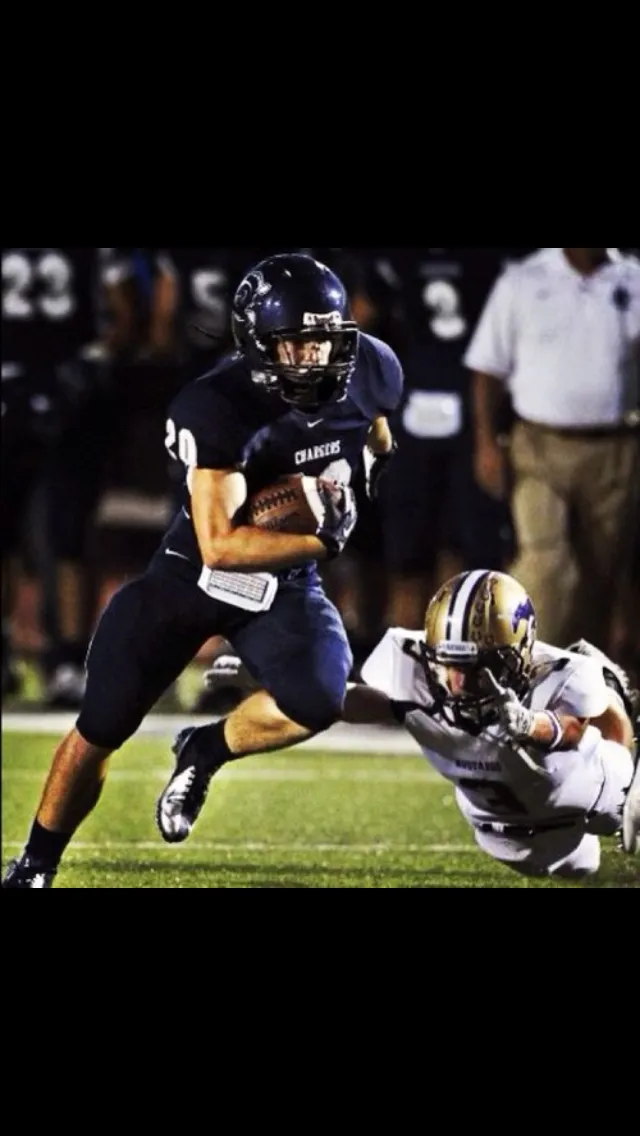
Chargers #20
Hill Country varsity football — the kind of program that never gets a broadcast window. Austin played at Boerne-Champion, competed in the Texas Hill Country, and saw firsthand what it meant to be invisible to the national conversation.
Private coaching from Danny Graves (two-time MLB All-Star, first Vietnamese-born MLB player) and Jason Marshall (former UTSA head coach) shaped the scouting eye before he had a name for it. The way a kid reads a pitcher’s release point at fifteen is the same instinct that reads wOBA distributions at thirty.
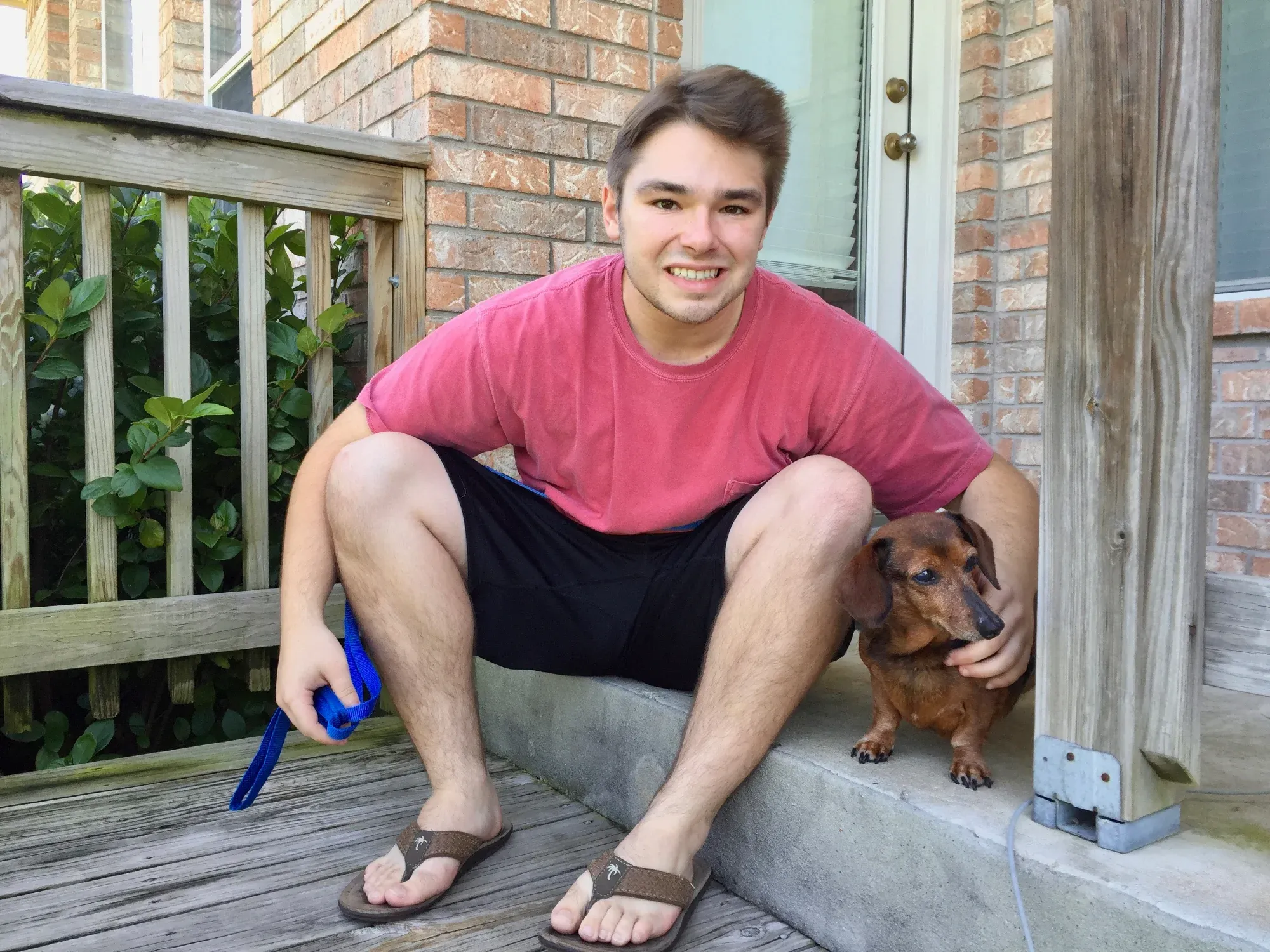
Blaze the original
Blaze the dachshund. The mascot, the namesake, the reason you’re looking at a fire-breathing wiener dog logo. Austin’s first baseball team in Bartlett, Texas was the Blaze — when his family got a dog, he named him after it.
Years later, when he needed a name for what he’d been building since he first noticed the coverage gap, Blaze was already there. Some brands are manufactured. This one was inherited.
330 D1 Programs. Every Game.
Park-adjusted sabermetrics. Every conference, every Tuesday night mid-major matchup that nobody else covers. The same analytical depth that scouts and front offices use — open to every fan.
Advanced Sabermetrics
Park-adjusted, conference-weighted advanced metrics recomputed every 6 hours. Not retrosheet approximations — live formulas running against real box scores.
Live Data Engine
Scores, standings, rankings, team profiles, player analytics, and AI-powered scouting reports. Every response tagged with source and timestamp.
Original Coverage
College baseball, MLB, NFL, NBA, and college football. Every pipeline, every article, every line of code built end to end by one person.

Austin Humphrey
The coverage I wanted didn't exist. Not because the audience wasn't there — a mid-major kid working a two-seam fastball he taught himself off YouTube deserves the same depth as anyone on a prime-time broadcast — but because every platform with the resources to build it decided that audience wasn't worth the investment. They were wrong.
I played varsity baseball and football in the Texas Hill Country. Studied international systems and entertainment business at UT Austin — how power structures decide who gets seen and who gets ignored. That framework maps onto sports media with uncomfortable precision: the same forces that determine which countries get a seat at the table determine which programs get a broadcast window. The gap isn't editorial. It's structural.
M.S. from Full Sail University (3.77 GPA). Background at Spectrum Reach. Every data pipeline, every article, every line of code — one person, end to end. Not out of stubbornness, but because nobody with a content team and a VC check was going to make this for the fans I had in mind.
A Wednesday night game between Rice and Sam Houston covered with the same rigor as a Saturday showcase between Tennessee and LSU. That's the standard, not the exception.
